
Modern sportswear has moved far beyond the training ground, evolving into a category that balances athletic functionality with a refined lifestyle aesthetic. Elite football clubs sit at the center of this shift because their identities are built on performance, discipline, and global recognition. When a club updates a kit, launches a collaboration, or refreshes its visual language, the ripple effect is quickly felt across athleisure, streetwear, and even premium casual wardrobes.
What makes football influence so powerful is its authenticity. Club colors, crests, and design codes were created for competitive sport, then adopted by fans who wear them to express belonging and taste. Today’s sportswear brands borrow that credibility and translate it into pieces that work for training, commuting, and social settings without looking overly technical or overly casual.
Club-Driven Kit Culture and the Rise of Wearable Identity
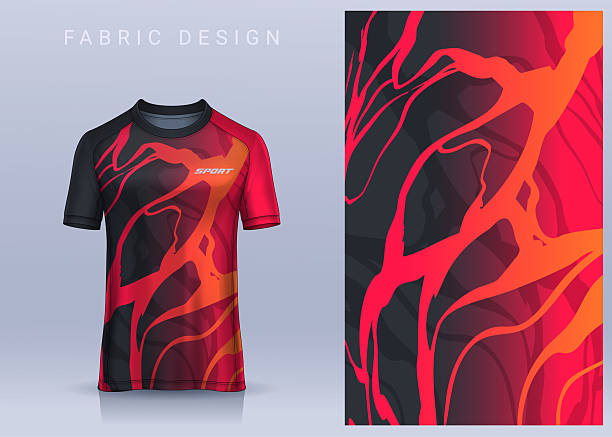
Football shirts used to be reserved for match day and stadium rituals, but they are now part of mainstream styling across cities worldwide. Elite clubs drive this transformation by treating their kits as design statements rather than purely functional uniforms. Cleaner striping, tonal patterns, and subtle textures have made shirts more versatile, enabling them to pair naturally with denim, tailored joggers, or minimalist outerwear.
The cultural pull also comes from emotional storytelling. Fans buy kits to celebrate eras, players, and iconic matches, and brands leverage that sentiment through carefully timed releases. A phrase like psg new jersey captures how consumers increasingly search for club-linked items as fashion purchases, not only sports merchandise. This shift has elevated kit design into a trend engine for the broader sportswear market.
Tailored Athleisure Inspired by Training Ground Precision
Elite clubs place enormous emphasis on movement efficiency, recovery, and comfort, and that mentality has shaped how modern sportswear is cut and constructed. Instead of loose, generic silhouettes, consumers now expect tapered fits, articulated knees, and sleeves that follow the body without restricting it. The result is a smarter athleisure profile that can look polished while still feeling ready for activity.
This influence is most visible in travel wear and pre-match looks. Clubs often present coordinated tracksuits, lightweight knits, and streamlined pants that mirror a professional, disciplined image. Sportswear brands respond with sets that feel intentional, emphasizing clean lines, reduced bulk, and versatile color palettes suitable for both workouts and daily routines.
Technical Fabrics That Look Premium, Not Overly Sporty
High-performance materials once came with a shiny, obviously “gym” look, but football-inspired sportswear is pushing technical textiles toward a more premium finish. Moisture-wicking, quick-drying, and breathable fabrics now appear in matte weaves, soft-touch blends, and structured knits that resemble luxury casualwear. This upgrade supports modern consumers who want comfort throughout the day without compromising on appearance.
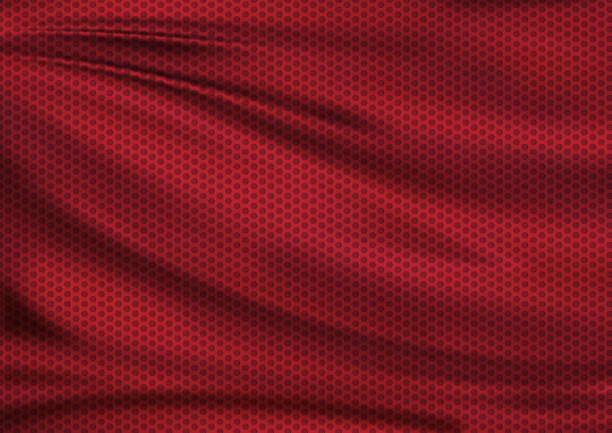
Another key development is fabric adaptability. Stretch properties, temperature regulation, and odor management have become expected in everyday pieces like polos, overshirts, and commuter jackets. The football world normalizes these innovations by making performance a baseline standard, and the lifestyle market follows by integrating the same capabilities into clothing designed for offices, travel, and social plans. The increasing demand for performance fabrics demonstrates how advanced textile technologies are reshaping modern wardrobes, offering a balance of functionality, comfort, and refined style for daily wear.
Minimalist Colorways and Crest-Level Branding
In the past, sportswear branding often relied on large logos and high-contrast graphics. Elite football clubs are helping shift the industry toward refined branding that feels intentional rather than loud. Tone-on-tone crests, small chest marks, and subtle sleeve details allow garments to work in more settings, especially as consumers seek pieces that can transition smoothly from casual to semi-smart occasions.
Minimalist palettes play a major role in this trend. Black, off-white, slate, and muted neutrals mirror the understated look frequently seen in club travel wardrobes and limited-edition drops. The power of the crest remains, but it is treated as a mark of identity rather than a billboard. This approach improves wearability and supports a more mature, professional sportswear aesthetic.
Streetwear Collaborations and the Fashion-Lifestyle Crossover
Elite clubs increasingly operate like cultural brands, partnering with designers, musicians, and streetwear labels to reach wider audiences. These collaborations influence modern sportswear by introducing fashion-led silhouettes such as boxy warm-up tops, relaxed track pants, and hybrid outerwear that blends stadium cues with urban styling. The outcome is a category that feels collectible, seasonal, and creatively driven.
Beyond product design, collaborations change how sportswear is marketed and worn. Limited availability, curated lookbooks, and storytelling around local culture make football apparel feel closer to contemporary fashion drops. This crossover also encourages consumers to experiment with layering, proportion, and texture, building outfits that reference sport while clearly belonging in everyday street style.
Retro Revivals and Heritage Detailing with Modern Comfort
Heritage is a powerful design resource for elite clubs, and retro-inspired sportswear continues to gain momentum. Vintage crests, classic collars, old-school striping, and throwback color blocking deliver nostalgia while still aligning with modern styling. The best contemporary versions avoid feeling costume-like by updating the fit, fabric, and finishing so the garment performs better and wears more cleanly.
This trend also reflects a desire for longevity. Retro details feel timeless, and consumers often perceive them as less trend-dependent than experimental graphics. Brands blend heritage visuals with modern comfort features such as stretch knits, soft linings, and improved breathability. The result is sportswear that carries history while meeting current expectations for movement, ease, and all-day wear.
Sustainable Performance as the New Baseline Standard
Sustainability has become a key expectation in sportswear, and elite football clubs accelerate that shift by adopting recycled fibers and more responsible production methods. When globally recognized teams promote sustainability initiatives, it signals to the wider market that performance and responsibility must coexist. Consumers increasingly look for garments that reduce environmental impact without sacrificing durability or comfort.
Modern sustainable sportswear also focuses on practical longevity. Better stitching, abrasion-resistant fabrics, and color retention help pieces last through repeated wear and washing. Clubs inspire this mindset because their apparel is associated with commitment and routine, not occasional use. As a result, the market is moving toward fewer, better items designed to perform consistently and look sharp over time. This growing emphasis on sustainable sportswear reflects how the football industry is influencing broader fashion trends by encouraging environmentally conscious choices without compromising athletic performance.
Conclusion
Elite football clubs shape modern sportswear because they represent the highest levels of performance and the strongest forms of visual identity. Their influence shows up in tailored athleisure, premium-looking technical fabrics, minimalist branding, and culture-driven collaborations that place sportswear firmly within contemporary lifestyle fashion. At the same time, heritage revivals and sustainability commitments ensure the category continues to evolve in ways that feel both meaningful and wearable.
For brands and consumers alike, football-inspired sportswear is no longer only about supporting a team. It has become a practical, style-forward approach to dressing that prioritizes comfort, versatility, and credibility. As clubs continue to innovate through design and storytelling, modern sportswear will keep drawing inspiration from the pitch and translating it into everyday confidence.
No responses yet