
Eating clean is not just a trend — it is a lifestyle choice that begins long before the first bite. It starts in your kitchen. The tools you keep, the ingredients you stock, and the habits you build around your cooking space all play a defining role in how well you nourish your body every day. A well-organized, thoughtfully stocked kitchen removes the friction from healthy cooking and makes wholesome meals feel natural rather than forced. Whether you are just beginning your wellness journey or looking to reinforce your current habits, transforming your kitchen into a clean-eating sanctuary is one of the most powerful steps you can take.
Start with Smart Pantry Staples
The foundation of healthy eating lives in your pantry. When your shelves are stocked with the right ingredients, nutritious cooking becomes effortless. Whole grains like quinoa, brown rice, oats, and farro provide complex carbohydrates that fuel your body with sustained energy. Legumes such as lentils, black beans, and chickpeas offer an excellent source of plant-based protein and fiber. Keeping a variety of these staples on hand ensures you always have the building blocks for a balanced meal.
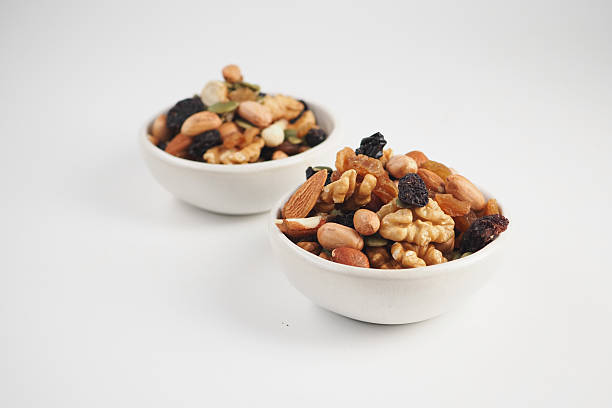
Beyond grains and legumes, nutrient-dense snacking options deserve a permanent spot in your pantry. Products like Kuuraii millet snacks are a great example of a wholesome, minimally processed option that supports clean eating without sacrificing taste or convenience. Nuts, seeds, dried fruits, and whole grain crackers round out a pantry that is ready to support your health goals on any given day.
Invest in Quality Cooking Tools
The right kitchen tools do not just make cooking easier — they encourage healthier preparation methods. A good set of sharp knives makes chopping fresh vegetables quick and safe. A cast iron skillet or stainless steel pan allows you to cook with minimal oil while still achieving great flavor and texture. Investing in quality tools is an act of commitment to your own well-being.
Equally important are tools that support low-fat, nutrient-preserving cooking techniques. A steamer basket preserves vitamins and minerals that are often lost through boiling. An air fryer lets you enjoy crispy textures without deep frying. A high-speed blender opens the door to smoothies, soups, and sauces that are both nourishing and delicious. These tools shift your cooking habits toward methods that keep food closer to its natural, wholesome state.
Keep Fresh Produce at the Forefront
One of the most effective strategies for clean eating is making fresh fruits and vegetables the most visible and accessible items in your kitchen. Store colorful produce at eye level in your refrigerator, and keep a fruit bowl on your countertop. When healthy food is the first thing you see, it becomes the first thing you reach for. Visual cues have a stronger influence on food choices than most people realize.
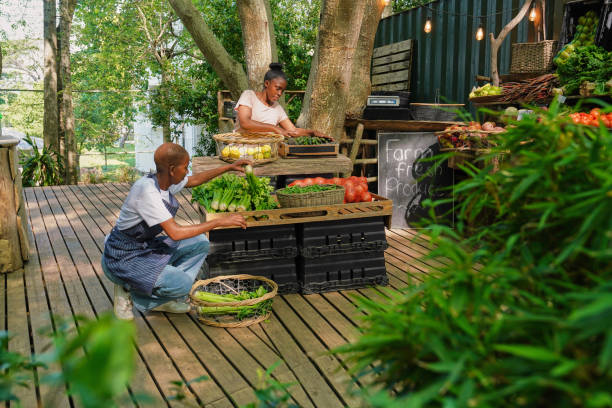
Organizing your produce with intention also reduces waste. Group items by how quickly they spoil and plan meals around those timelines. Leafy greens, berries, and fresh herbs tend to have a shorter shelf life and should be prioritized earlier in the week. Root vegetables, citrus fruits, and cruciferous vegetables like broccoli and cabbage keep longer, making them reliable options toward the end of your weekly grocery cycle.
Choose Healthy Fats and Oils Wisely
Fats are an essential part of a balanced diet, but the type and quality of fat you cook with matters enormously. Extra virgin olive oil is a cornerstone of clean-eating kitchens due to its rich antioxidant profile and heart-healthy monounsaturated fats. Avocado oil is another excellent choice, especially for higher-heat cooking, as it has a high smoke point and a neutral flavor that works well across a wide range of dishes.
Beyond cooking oils, keeping whole food sources of healthy fats in your kitchen is equally beneficial. Avocados, raw nuts, natural nut butters, and seeds like flaxseed and chia provide essential fatty acids that support brain function, reduce inflammation, and keep you feeling satisfied after meals. Replacing refined vegetable oils and processed spreads with these cleaner alternatives is a simple swap that can yield significant long-term health benefits.
Master the Art of Meal Prep
Meal prepping is perhaps the single most impactful habit you can adopt to support a clean-eating lifestyle. Dedicating a few hours each week to washing, chopping, cooking, and portioning your food removes the daily decision fatigue that often leads to unhealthy choices. When a nutritious meal is already prepared and waiting in your refrigerator, convenience works in your favor rather than against you.
To make meal prep sustainable, keep it simple and enjoyable. Choose a prep day that fits naturally into your schedule, invest in a good set of glass storage containers with airtight lids, and batch-cook versatile ingredients like roasted vegetables, cooked grains, and seasoned proteins. These components can be mixed and matched throughout the week to create varied and satisfying meals without requiring daily effort. A well-prepped kitchen is a kitchen that consistently supports your health.
Reduce Sugar with Natural Sweeteners
Refined sugar is one of the most significant obstacles to clean eating, hiding in everything from sauces and breads to yogurts and beverages. Transitioning your kitchen away from refined sugar starts with stocking better alternatives. Raw honey, pure maple syrup, medjool dates, and coconut sugar each provide sweetness with additional trace minerals and a lower glycemic impact compared to white sugar. They satisfy cravings while keeping your body chemistry more balanced.

Learning to use these natural sweeteners effectively in cooking and baking is a valuable skill that expands your clean-eating repertoire. Blended dates can sweeten energy balls and smoothies without any added sugar. A small drizzle of maple syrup enhances roasted vegetables or oatmeal beautifully. When you stop relying on refined sugar, your palate gradually adjusts, and naturally occurring sweetness in whole foods becomes more pronounced and satisfying.
Hydration Tools and Herbal Supports
Hydration is often overlooked as part of kitchen wellness, but it is deeply intertwined with how well your body absorbs and uses the nutrients from the food you eat. Keeping a large water pitcher or filtered water dispenser on your counter serves as a constant reminder to drink throughout the day. Glass water bottles and infuser pitchers make hydration more appealing by allowing you to add cucumber, lemon, mint, or berries for a refreshing twist.
Herbal teas also deserve a dedicated space in your clean-eating kitchen. Teas made from chamomile, ginger, peppermint, turmeric, and hibiscus offer a range of wellness benefits from digestive support to anti-inflammatory properties. Having a curated collection of loose-leaf or bagged herbal teas gives you a comforting, health-supporting alternative to sugary beverages, especially during evenings when a warm cup can double as a mindful ritual.
Build Sustainable Kitchen Habits That Last
Creating a healthy kitchen goes beyond buying better ingredients—it also means developing daily routines that make nutritious choices effortless. Simple habits like organizing your refrigerator, reading food labels before shopping, and planning balanced grocery lists can significantly improve your eating patterns over time. If you’re looking for more practical wellness ideas, explore our guide on healthy lifestyle habits to build routines that support long-term well-being.
Your kitchen environment also works best when paired with mindful food choices and smart nutrition strategies. Learning how to select whole foods, reduce processed ingredients, and prepare balanced meals can make clean eating easier to maintain. You may also enjoy reading our article on healthy meal planning tips for additional inspiration.
Small improvements made consistently often deliver the biggest results. Combining an organized kitchen with intentional eating habits creates a foundation for lasting wellness. For more ideas, check out our guide to simple wellness tips for everyday living and continue building healthier habits one step at a time.
Conclusion
Building a wholesome kitchen is not about perfection — it is about creating an environment that makes healthy choices feel natural, easy, and even enjoyable. Every pantry staple you swap, every quality tool you add, and every fresh ingredient you prioritize brings you one step closer to a life of clean, nourishing eating. Your kitchen is your most powerful wellness tool. Treat it with intention, stock it with care, and let it become the foundation of the vibrant, energized life you deserve.
No responses yet